
But we don't just want to inspire our customers. We also want to keep each other sharp internally.
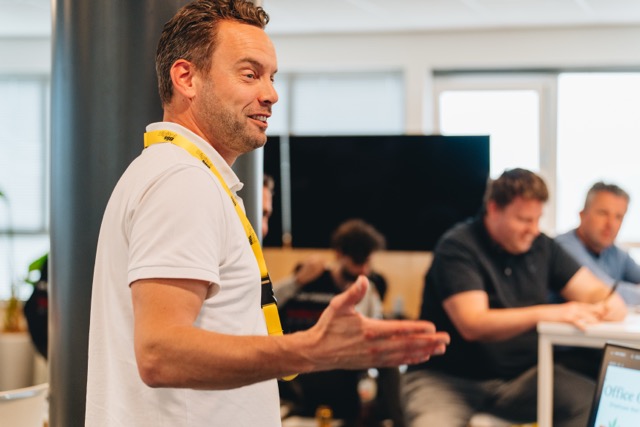
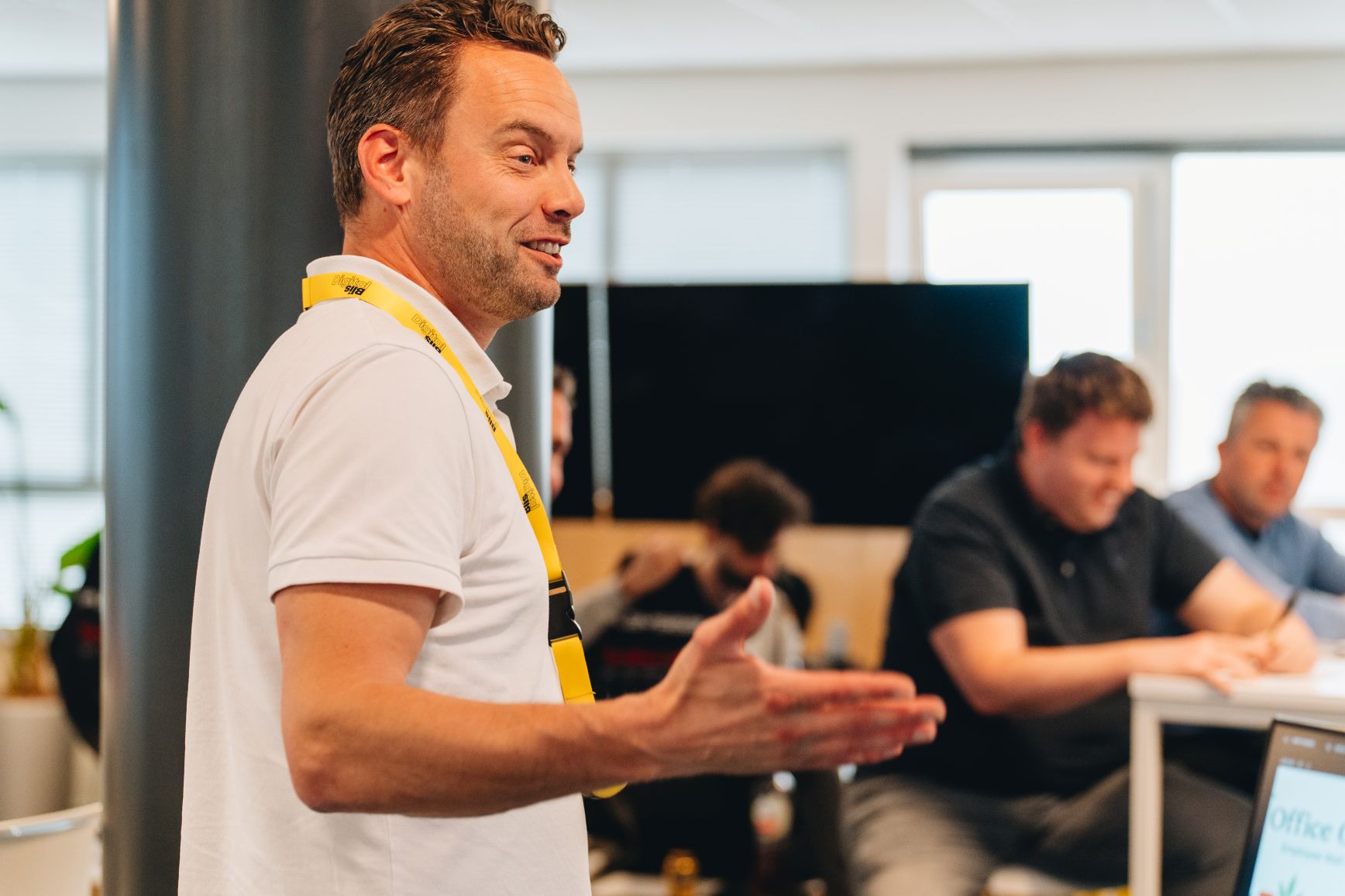
That's why we organized AIDOLS last month. An internal knowledge session in which colleagues from various disciplines showed how AI makes their work smarter, faster and more fun. With a nod to the famous TV show Idols, but with real real-life examples.
From Idols to AIdols
The idea was simple. We wanted to show you what AI does for your work in practice. Not in theory, but with concrete examples from colleagues themselves.
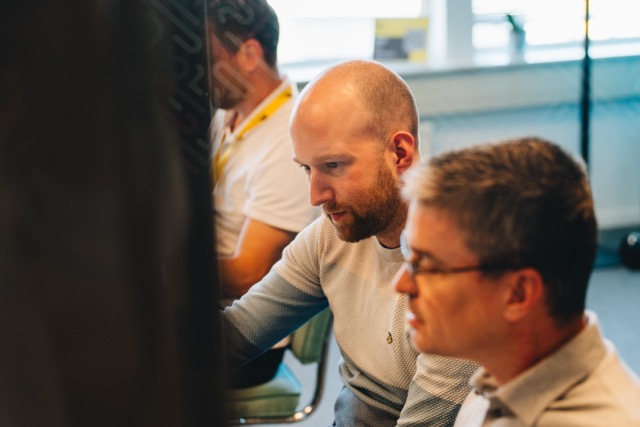
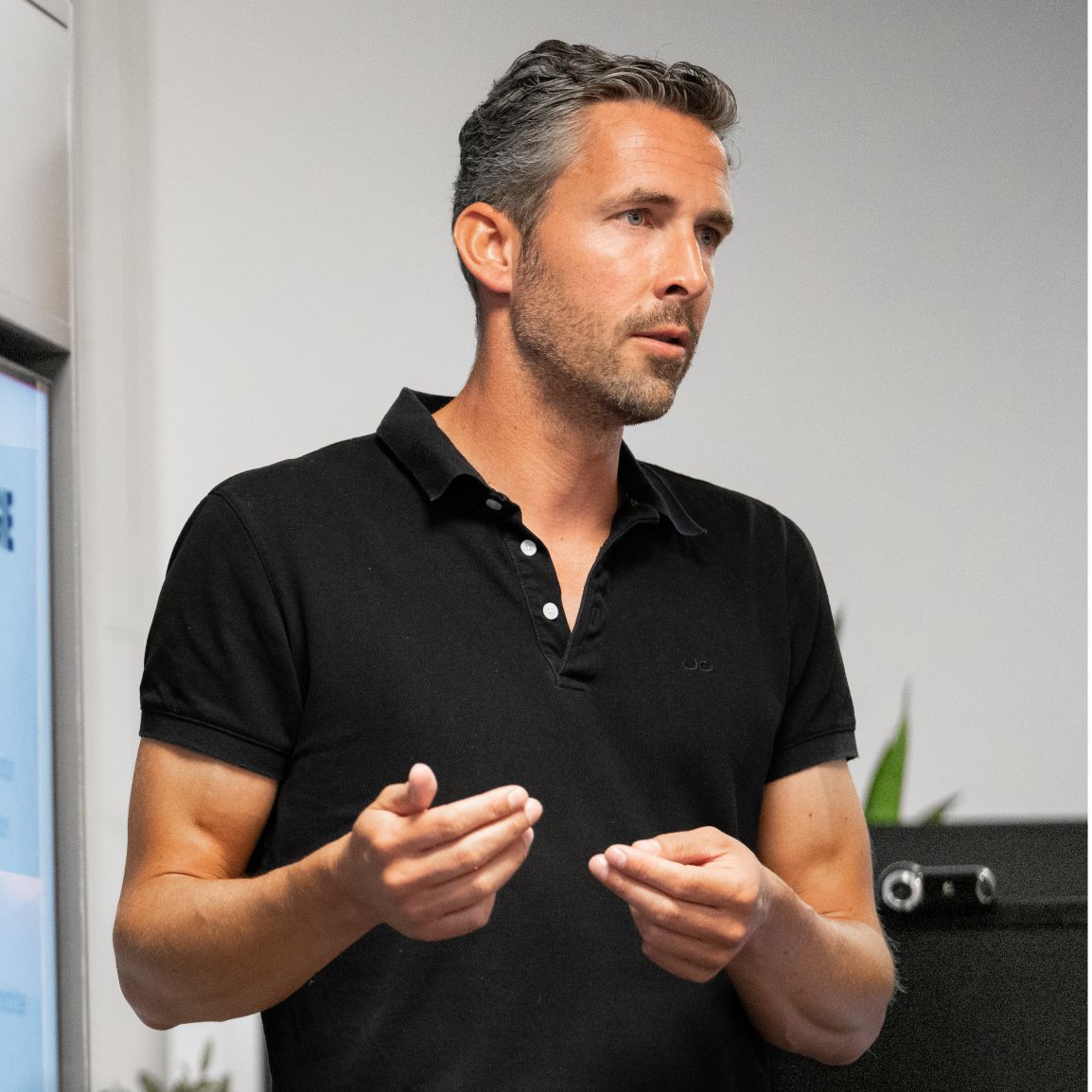
We asked colleagues from various disciplines to give a short presentation about their own use of AI. In the end, eight presentations were scheduled. From development and testing to sales, finance and office management. All of Blis' colleagues were in the audience.
First structure, then freedom
To prevent them from becoming separate stories, we provided participants with a fixed format beforehand. Two weeks before the session, they submitted their submission. Includes four parts:
- the problem or reason
- the chosen AI solution
- a concrete example
- the result and the impact
That format worked exactly as intended. It provided guidance without getting in the way of creativity. Everyone told their own story, but with focus.
We even had a real jury
And then came the part that we probably enjoyed the most. Based on the submitted texts, we created jury reports with a custom GPT, trained in the style of the original Idols jury. You probably remember them: Henkjan Smits, Eric van Tijn, Jerney Kaagman and Edwin Jansen.
We used the written jury reports as input for jury videos. We used real photos of the judges and animated them with AI. The result was videos in which it looked like the jury was commenting on the presentations themselves. Sometimes sharp, sometimes a little exaggerated and very wrong.
That caused a lot of laughter, but also attention. Everyone listened. Everyone wanted to know what was coming.
Eight times AI in practice
What was particularly striking was how widely AI is now being used. It has long since ceased to be a matter of development alone. Each discipline at Blis takes it from its own work, with its own perspective. Below is a brief summary of the cases:
Testing: An AI test buddy. Helps with acceptance criteria, test cases and estimates. The result: better stories and fewer bugs.
Sales: A custom GPT that supports the quote process. Conversations are recorded, nuance is maintained and quotes are ready faster and more consistently.
Office management: Automated monthly credit card fee administration. From an error-prone monk job to a reliable AI process with direct import into Exact.
Finance: Financial reports largely automated with AI agents. Flexible enough for changing formats, with significant time and quality savings.
Development: AI support for refinements. User stories' ready 'faster, with the reuse of components, sharper risks and better advance estimates.
Studio: Ideas from vague to concrete in minutes Sharpen a concept with AI, create a clickable prototype, and scope back to a realistic MVP.
Service management: An AI agent who reviews tickets for completeness and priority. Less ping pong with customers and getting to work faster for engineers.
Enterprise IT: AI as a regular teammate in building cloud cost management. From interpreting Focus specifications to generating and controlling code and documentation.
Lots of creativity
What made AIDOLS extra fun was how creatively colleagues approached it. Everyone worked from the same format, but the implementation was anything but standard.
There was even a group that decided not to tell their presentation, but to sing.
So you can see that when people feel safe to experiment, there is more than just an improvement in efficiency. This creates energy, fun and ideas you wouldn't have come up with yourself.
What AIDOLS showed us
AIDOLS showed what an AI-first culture looks like in practice. People who dare to experiment, share what works and also show what they're still up against.
It was precisely because we kept it light that the good conversations arose. About making choices. About setting limits. And about how to use AI without making it bigger or more complicated than necessary.
This tastes like more
The goal of AIDOLS was simple: to inspire each other. That worked. We saw ideas emerge, new questions arise and colleagues who said afterwards: “I want to try this too.”
Working AI-first is not an end point. It's a way of seeing and continuing to learn.
AIDOLS showed that we are getting better at that together.
This tastes like more. To be continued.
FAQ
Frequently asked questions
We'd be happy to answer those right away. If your question isn't listed, please feel free to contact us.